

Top 10 High-Fiber Natural Foods That Improve Digestion & Boost Health
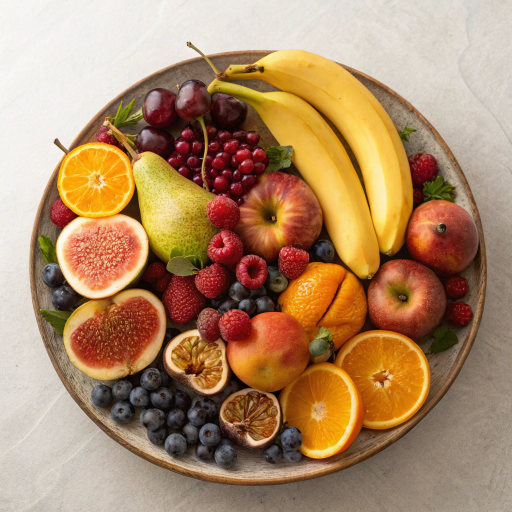
Top High-Fiber Natural Foods for Better Digestion and Daily Health
High-fiber natural foods play an important role in maintaining a healthy digestive system, stable energy levels, and overall well-being. Many common problems such as constipation, slow digestion, low energy, and irregular eating habits are often linked to a lack of fiber in daily meals.
The good news is that improving your fiber intake does not require expensive supplements or complicated diets. By adding simple, natural foods to your routine, you can support your body in a safe and effective way. In this guide, we will explore some of the best high-fiber foods, their benefits, and how you can include them easily in your everyday meals.
⭐ Why Fiber Is Important for Your Body
Dietary fiber helps your digestive system work smoothly. It supports regular bowel movement, helps maintain a balanced gut environment, and keeps you feeling full for longer periods. Fiber also plays a role in supporting stable blood sugar levels and overall metabolism.
There are two main types of fiber:
- Soluble fiber: Helps slow digestion and supports stable blood sugar
- Insoluble fiber: Adds bulk and helps move waste through the digestive system
A balanced intake of both types is important for long-term health.
🥗 Top High-Fiber Natural Foods
1. Oats (A Daily Fiber Staple)
Oats are one of the most reliable sources of fiber, especially soluble fiber known as beta-glucan. This type of fiber helps support digestion and keeps you full for a longer time, making oats a great choice for breakfast.
- Supports digestion and gut health
- Helps control appetite
- Provides steady energy
- Easy to prepare
Fiber: ~4g per cup (cooked)
2. Chia Seeds (Small but Powerful)
Chia seeds are rich in fiber and absorb water easily, forming a gel-like texture. This helps slow digestion and keeps you satisfied for longer periods.
- Supports digestion
- Helps prevent constipation
- Provides long-lasting energy
Fiber: ~5g per tablespoon
3. Lentils (Plant-Based Nutrition)
Lentils are a strong source of both fiber and plant-based protein. They digest slowly and help maintain stable energy levels throughout the day.
- Supports digestion
- Keeps you full for longer
- Easy to include in meals
Fiber: ~15g per cup (cooked)
4. Green Peas (Simple and Effective)
Green peas provide both soluble and insoluble fiber. They are easy to cook and can be added to many everyday dishes.
- Supports smooth digestion
- Helps maintain energy
- Good for daily meals
Fiber: ~8g per cup
5. Apples (Natural Fiber Fruit)
Apples contain pectin, a type of soluble fiber that supports gut health. They are easy to carry and require no preparation.
- Supports digestion
- Helps you feel full
- Refreshing and convenient
Fiber: ~4g per medium apple
6. Pears (Gentle on Digestion)
Pears are naturally high in fiber and water content, making them helpful for maintaining regular digestion.
- Supports bowel movement
- Easy to digest
- Suitable for all ages
Fiber: ~5–6g per pear
7. Avocado (Fiber + Healthy Fats)
Avocado provides fiber along with healthy fats. This combination supports nutrient absorption and keeps you full for longer.
- Supports digestion
- Helps maintain energy
- Versatile in meals
Fiber: ~10g per avocado
8. Almonds (Crunchy Fiber Source)
Almonds are rich in fiber and healthy fats. They make a convenient snack and support overall wellness.
- Supports gut health
- Keeps you full
- Easy snack option
Fiber: ~3.5g per handful
9. Sweet Potatoes
Sweet potatoes are rich in fiber and natural nutrients. They are easy to digest when cooked properly and can be used in many dishes.
- Supports digestion
- Provides steady energy
- Suitable for regular meals
10. Whole Grains
Whole grains like brown rice and whole wheat provide fiber that supports daily digestion and balanced nutrition.
- Improves digestion
- Supports long-term health
- Easy to include in meals
🍽️ How to Add Fiber to Your Daily Routine
Adding fiber to your diet can be simple. You do not need to change everything at once. Start small and build gradually:
- Add oats or fruit to your breakfast
- Include vegetables in lunch and dinner
- Choose whole grains instead of refined foods
- Snack on fruits, nuts, or seeds
- Drink enough water to support fiber digestion
These small steps can make a big difference over time.
⚠️ Important Tips
- Increase fiber gradually to avoid discomfort
- Drink enough water daily
- Balance fiber with other nutrients
- Choose natural foods instead of processed fiber products
📝 Final Thoughts
High-fiber natural foods are one of the simplest ways to support digestion and overall wellness. By including a variety of fruits, vegetables, grains, and seeds in your daily meals, you can improve your health naturally without complexity.
Start with small changes and build a routine that works for you. Over time, these habits can help you feel more comfortable, active, and balanced.
Disclaimer: This article is for general informational purposes only and does not replace professional advice.
Banana Nutrition Facts: Benefits
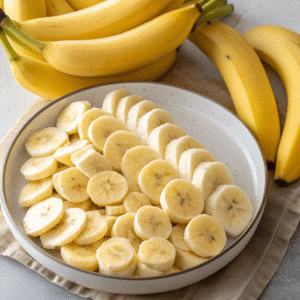
The fiber in bananas helps support a natural digestion process. Fiber also helps you feel full for a longer time, making bananas a smart snack choice.
Top Health Benefits of Ginger
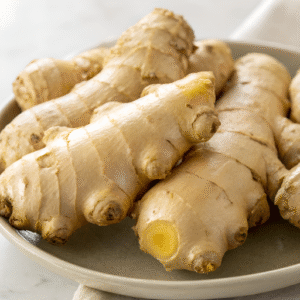
Ginger is often used to ease feelings of nausea, especially during travel or motion sickness. Some people also use ginger to feel better during mild morning discomfort or after eating heavy meals. While results can vary from person to person, ginger is considered a natural option for such situations
best foods for weight loss

“Looking for the best foods for weight loss? This guide reveals the most effective fat-burning, appetite-controlling, and metabolism-boosting foods that help you lose weight naturally and stay healthy. Perfect for anyone who wants fast and healthy weight loss results.”